
Introduction
The way a commercial space looks and feels has a direct impact on customer behavior, brand perception, and overall success. Whether it’s a retail store, a café, a hotel, or a healthcare facility, the right design can improve the experience of visitors while supporting functionality. To achieve this balance, many businesses turn to the best commercial interior designers who understand how to merge creativity with purpose. Every element from layout to materials contributes to creating an atmosphere that attracts and retains customers.
Understanding Commercial Interior Design Beyond Workspaces
Commercial interiors extend across a wide spectrum of environments such as restaurants, boutiques, shopping centers, spas, and hospitals. Each of these spaces serves a unique purpose, and the design must align with customer expectation and practical requirements. Unlike residential interiors, which focus on personal lifestyles, commercial design focuses on usability, foot traffic flow, and memorable aesthetics that strengthen the brand identity.
The Foundation: Effective Space Utilization
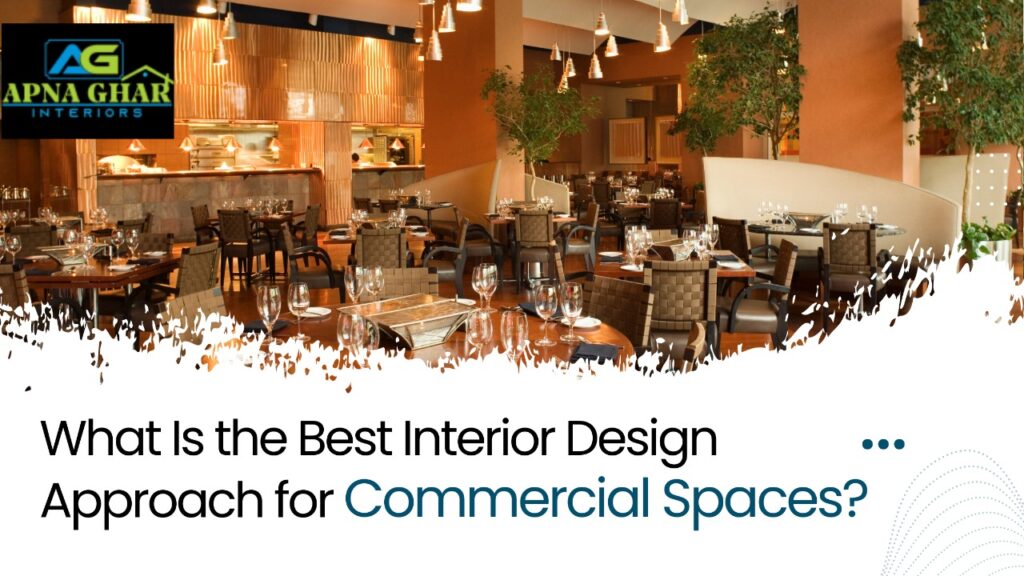
Efficient use of space is the first step in achieving successful design. For example, restaurants should make sure their seating layouts are comfortable but not crowded. Retail stores need pathways that guide customers naturally toward displays while keeping movement smooth. In hotels, communal spaces like lobbies and lounges must balance openness with areas of privacy.
The best commercial interior designers often rely on zoning strategies separating areas for waiting, dining, or shopping to create a sense of order while still maintaining fluidity. Proper circulation makes visitors feel at ease and they are encouraged to explore the environment.
Expressing Brand Identity Through Design Choices
Every commercial space tells a story about the brand it represents. The design becomes an extension of that narrative, creating an impression before a single word is spoken. A wellness spa might highlight calm tones, natural textures, and soft lighting to communicate relaxation. A retail fashion outlet may embrace bold displays, dynamic lighting, and stylish layouts that echo the brand’s personality.
Key elements that reflect brand identity include:
- Color schemes align with the brand palette.
- Decor elements that symbolize values, such as sustainability or luxury.
- Consistency in themes across signage, furniture, and fixtures.
Lighting as a Game-Changer
Lighting determines how people perceive and interact in a commercial environment. For example, cozy ambient lighting makes cafés feel inviting, while bright and focused lighting in retail stores highlights products and encourages purchases. Hotels often blend accent lighting with decorative fixtures to elevate luxury.
A thoughtful lighting approach typically includes:
- Ambient lighting for the overall mood.
- Accent lighting highlights displays, artwork, or architectural details.
- Decorative lighting that doubles as a design feature.
Choosing Durable and Appealing Materials
Commercial spaces face heavier usage than residential ones, which makes material choice critical. Floors in a shopping mall must withstand thousands of daily footsteps, while restaurant surfaces need to resist spills and frequent cleaning. Materials should not only be strong but also aesthetically pleasing to match the overall design concept.
When selecting materials, designers often consider:
- Durability: Ability to withstand high traffic and wear.
- Aesthetics: Visual appeal that complements the design.
- Sustainability: Eco-conscious choices like recycled wood or energy-efficient finishes.
The best commercial interior designers strike the right balance by choosing materials that maintain their look and quality over time without compromising the intended atmosphere.
The Role of Technology in Commercial Design
Modern commercial spaces are increasingly using technology into their design to improve the customer experience. For example, interactive digital displays in retail outlets provide product details, while self-ordering systems in restaurants improve service efficiency. Hotels may include smart systems for lighting, climate, and entertainment, offering guests convenience and control.
The integration of technology is not about overwhelming the visitor but about subtly elevating their interaction with the space.
Current Trends in Commercial Interiors
- Sustainable Design – Energy-efficient lighting, recycled furniture, and eco-friendly finishes are becoming standard choices.
- Biophilic Elements – Natural light, indoor greenery, and organic textures promote relaxation and improve air quality.
- Experiential Layouts – Cafés, shops, and hotels increasingly focus on designs that create memorable experiences rather than just functional spaces.
- Minimalism with Impact – Clean layouts with bold focal points, such as statement walls or unique furniture, make spaces visually striking without clutter.
Conclusion
The best interior design approach to commercial spaces combines practicality, creativity, and brand identity. Every detail, from space planning to lighting and material selection, plays a role in shaping how customers feel and interact with the environment. By partnering with the best commercial interior designers, businesses across sectors like retail, hospitality, dining, and healthcare can achieve designs that leave lasting impressions. Ultimately, a well-crafted commercial space becomes more than just a setting. It transforms into a powerful driver of customer satisfaction and brand success.