
Introduction
Minimalism has evolved from being a design trend into a lifestyle that prioritizes functionality, comfort, and mindfulness. Modern homeowners today look for simplicity that doesn’t compromise on style, and that’s exactly what minimalistic apartment design delivers. The best home interior designers, often highlight that minimalism is not about having less, but about making every element count. This approach creates calmness, enhances space, and makes daily living effortless and elegant.
The Essence of Modern Minimalism
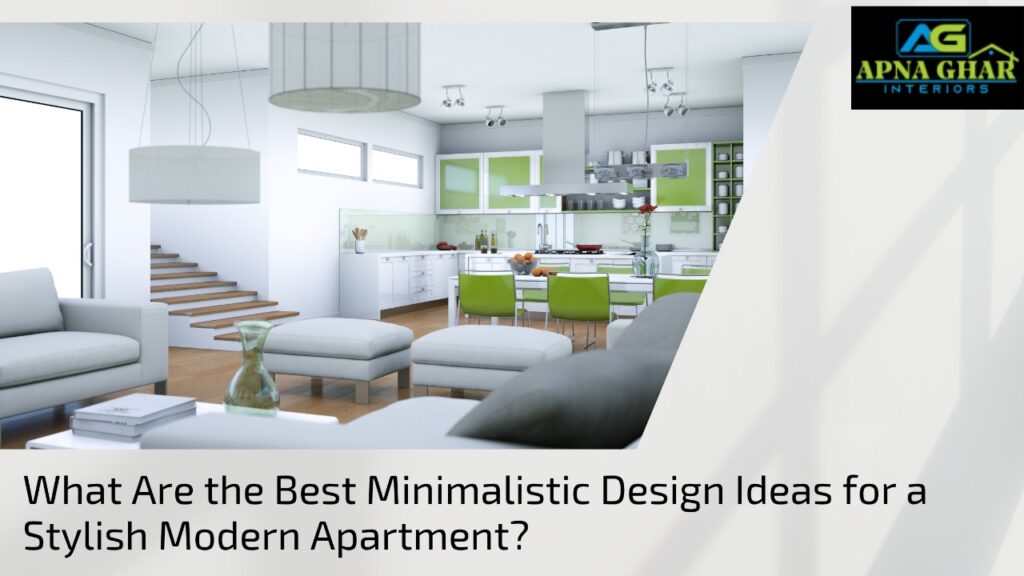
At its core, minimalistic apartment design focuses on removing clutter and maintaining only what adds value to the home. Neutral tones such as whites, beiges, and soft greys set the foundation for this aesthetic, while clean lines and open spaces add harmony. Natural light plays a key role, flooding the interiors and making even compact apartments feel spacious. By keeping decor understated yet thoughtful, minimalism transforms ordinary spaces into serene retreats that promote balance and clarity.
Key Principles Behind Minimalist Apartment Interiors
- Open Layouts: A seamless connection between the living, dining, and kitchen areas enhances flow and encourages social interaction.
- Neutral Color Palettes: Shades of cream, grey, and white serve as timeless backdrops that make a room feel larger and airier.
- Functional Furniture: Furniture that serves multiple purposes, such as ottomans with storage or folding tables, maximizes utility without taking up a lot of space.
- Natural Elements: Wooden finishes, cotton fabrics, and plants infuse warmth and texture into a clean setting.
- Strategic Lighting: Large windows, recessed lights, and pendant fixtures brighten up the room while highlighting its simplicity.
Minimalism Beyond Aesthetics
There is more to minimalist apartment design than just visual appeal. It encourages mindful living. The best home interior designers recommend decluttering not only for aesthetics but also for mental well-being. Reducing unnecessary items helps lower stress levels and improve focus. The result is a home that feels open, peaceful, and purposeful.
A minimalist home also fosters sustainability. By choosing high-quality, durable furniture and avoiding excess purchases, residents will naturally move toward a more eco-conscious lifestyle. Every decision contributes to a long-lasting, beautiful home environment through a balance between elegance and responsibility.The result is a home that feels open, peaceful, and purposeful.
Simple Ways to Introduce Minimalism
Starting small is often the easiest way to adapt to minimalist living. Begin decluttering-sort through belongings and keep only what adds value or joy. Choose decor items that hold personal significance rather than filling shelves with random accessories. A few framed prints, sleek planters, or textured rugs can complete the look without crowding the space.
Adopting a minimalist color palette also enhances visual harmony. Stick to one or two dominant hues and complement them with subtle accents. Utilizing natural light, light-toned curtains, and glass elements further contribute to the spaciousness and openness within the home.
Design Ideas for a Modern Minimalist Apartment
1. Tranquil Bedroom Retreat:
A minimalist bedroom thrives on calmness. Light-toned walls, a low-profile bed, and layered fabrics in soft shades create an inviting atmosphere. A single statement artwork or pendant lamp can elevate the entire aesthetic without adding clutter.
2. Streamlined Kitchen Design:
Go for handleless cabinets, open shelving, and built-in storage solutions to maintain a sleek, functional kitchen. Neutral counters paired with wooden finishes add warmth, while a pop of greenery livens up the area naturally.
3. Inviting Living Room Layout:
Simple seating arrangements, geometric rugs, and balanced lighting can make the living room feel cohesive. In order to ensure flexibility as lifestyles evolve, best home interior designers recommend using modular furniture that can be arranged to suit various l
ayouts.
4. Compact Dining Elegance:
Minimalist dining spaces promote intimacy and ease. A round wooden table, neutral upholstery, and pendant lights help maintain a clean and contemporary feel.
5. Japanese-Inspired Corners:
Small apartments can be made calm and structured by adopting elements of Japanese minimalism such as low furniture, natural wood, and neutral textures.
The Functional Beauty of Minimalism
Minimalism is not restrictive; it’s free. There is a purpose behind every design decision, whether it is optimizing light, creating flow, or promoting relaxation. Built-in shelves, concealed cabinets, and modular furniture ensure that the apartment remains organized and visually balanced. Even the use of mirrors can enhance spatial perception by reflecting natural light and adding subtle sophistication.
Moreover, minimalism adapts easily to any personal style. Whether one prefers a rustic touch, Scandinavian calmness, or industrial simplicity, the foundation of minimalism allows customization while maintaining its timeless appeal.
Conclusion
Minimalist apartments reflect intentional living in which beauty is found in simplicity and design is driven by purpose. By combining neutral tones, functional layouts, and meaningful decor, anyone can achieve a home that feels both elegant and effortless. Consulting the best home interior designers can make this journey even smoother, ensuring that every corner resonates in harmony and style. The minimalist approach not only redefines interiors, but also enhances lifestyle, creating a space that feels lighter, brighter, and more alive.