
Introduction
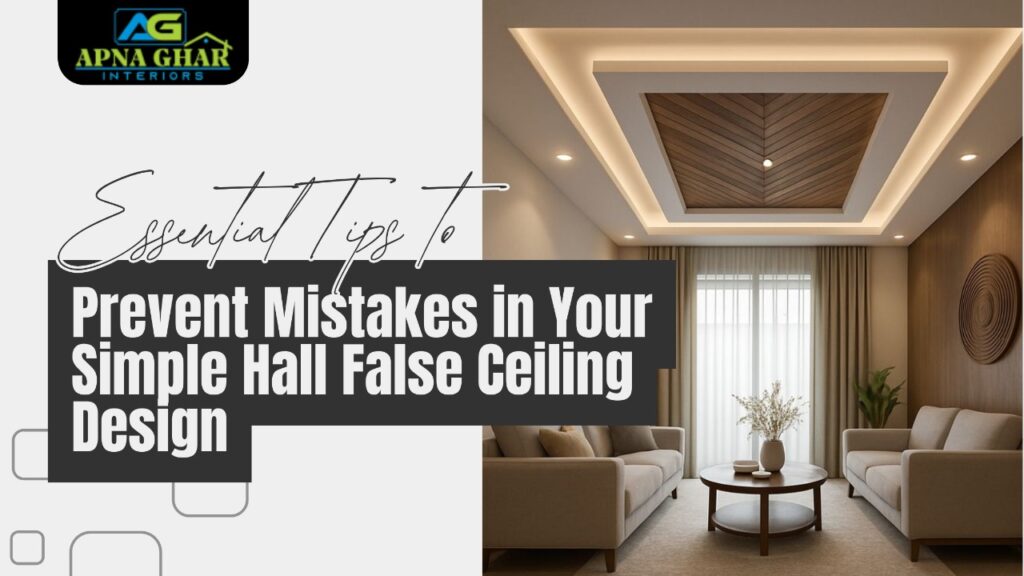
Creating a simple false ceiling in the hall can elevate the entire look of the space, but only when planned thoughtfully. A well-balanced design enhances lighting, improves the overall ambience, and supports a modern layout that ties the rooms together. In many homes, especially those aiming for luxury living room interiors, a false ceiling acts as the centerpiece that sets the tone for the decor below. However, small mistakes can easily disturb the harmony of the space, making the ceiling feel bulky, uneven, or mismatched. Understanding the dos and don’ts is the first step toward a functional and aesthetic false ceiling.
Understanding the Benefits of a Simple False Ceiling
A simple ceiling layout works beautifully because it delivers elegance without unnecessary complexity. Clean lines create a sophisticated visual flow that instantly transforms the hall. The design also helps improve lighting by supporting recessed fixtures, soft cove lighting, and dim spotlights that brighten the room evenly. Hidden wiring and structural elements remain out of sight, giving the hall a clutter-free appearance. Another advantage is improved acoustics, as the false ceiling reduces echos and adds comfort to conversations. Even temperature control becomes more effective, as the lowered height maximizes airflow and cooling efficiency.
Mistakes:
1. Not Considering Ceiling Height
One important detail that often gets ignored is the height of the ceiling. A false ceiling that drops too low can make the hall feel compact and confined. The design should maintain enough vertical space to preserve an open and airy feel. Using sleek gypsum or POP boards helps keep the structure lightweight and minimal, especially in halls with moderate ceiling heights. Choosing slim panels allows the room to maintain a visual balance while still enjoying the benefits of an elegant false ceiling.
2. Adding Extremely Complicated Designs in Small Spaces
Small halls require careful attention because heavy layers or bold patterns can overwhelm the area. A simple ceiling layout works best by maintaining flat surfaces, neat borders, and unobtrusive lighting. Using soft colors and recessed lights adds spaciousness and prevents the hall from feeling crowded. This approach aligns well with minimalist homes or decor themes that prefer simplicity over bold detailing. It combines beautifully with concepts often used in luxury living room interiors.
3. Poor Fan Placement Planning
Incorrect fan placement can disrupt both the airflow and the visual symmetry of the ceiling. When the hall includes two fans, the false ceiling design must accommodate each fan evenly to provide smooth circulation. Misalignment affects cooling efficiency and causes the design to appear unbalanced. Careful spacing between fan points and lighting fixtures helps maintain harmony and maintains the ceiling layout functions effectively while still looking refined.
4. Combining Incompatible Materials
Ceilings that mix too many materials can suffer from imbalances, durability issues, or mismatched aesthetics. POP and gypsum are among the most dependable choices due to their stability, versatility, and smooth finish. Choosing moisture-resistant varieties increases longevity and reduces maintenance needs. Matching the chosen material to the home’s environment makes sure the ceiling remains sturdy and visually appealing for years.
5. Skipping Expert Guidance
Designing a false ceiling involves the thoughtful placement of lighting, ventilation elements, and decorative components. Without proper planning, elements may look uneven, improperly spaced, or poorly integrated. Professional input helps avoid issues such as lighting shadows, ventilation blockages, and disproportionate borders. A well-trained designer will make sure the ceiling supports both style and function, aligning with the hall’s layout and overall decor.
Tips:
1. Select a Ceiling Style That Matches the Hall’s Purpose
Each hall has its own function, whether it is used for entertainment, relaxation, or dining. False ceilings can effectively divide zones without creating physical barriers. Simple POP layouts or rectangular paneling help define spaces while keeping the hall visually unified. This technique supports modern interior concepts while allowing each section of the hall to shine in its own way.
2. Use Lighting to Highlight Ceiling Depth
Lighting plays a key role in highlighting a simple false ceiling. LED strips, cove lighting, and soft spotlights can transform even the most minimal layout into an eye-catching feature. Pairing ceiling lights with floor lamps or wall fixtures adds layers of illumination that create a warm and inviting atmosphere. These lighting combinations complement decor styles often associated with luxury living room interiors, bringing depth and character to the hall.
3. Choose Matte Finishes for a Modern Look
Glossy finishes can create unwanted glare, while matte surfaces provide contemporary appeal. Simple matte gypsum or POP finishes give the house a soft, stylish appearance that fits seamlessly with various decor themes. Added delicate corner detailing or soft grooves can add to the ceiling’s charm without overpowering the space.
4. Experiment with Light Colors
While white is a popular choice, a soft beige, muted grey, or dual-tone palette can add personality to the ceiling. Light colors maintain brightness and provide a gentle contrast to the hall’s furnishings. These tones work especially well in simple designs aimed at creating a calm and polished environment.
Conclusion
The use of a simple false ceiling in the hall is not just an aesthetic improvement, but also improves the overall comfort, lighting, and ambience of the room. It is important to avoid common mistakes such as poor height planning, improper materials, and improper fan placement in order to ensure that the ceiling looks clean and functions effectively. When thoughtfully executed, the ceiling becomes a key part of stylish and seamless luxury living room interiors. A well-balanced combination of simplicity, lighting, and color can improve the look and feel of any hall.