
Introduction
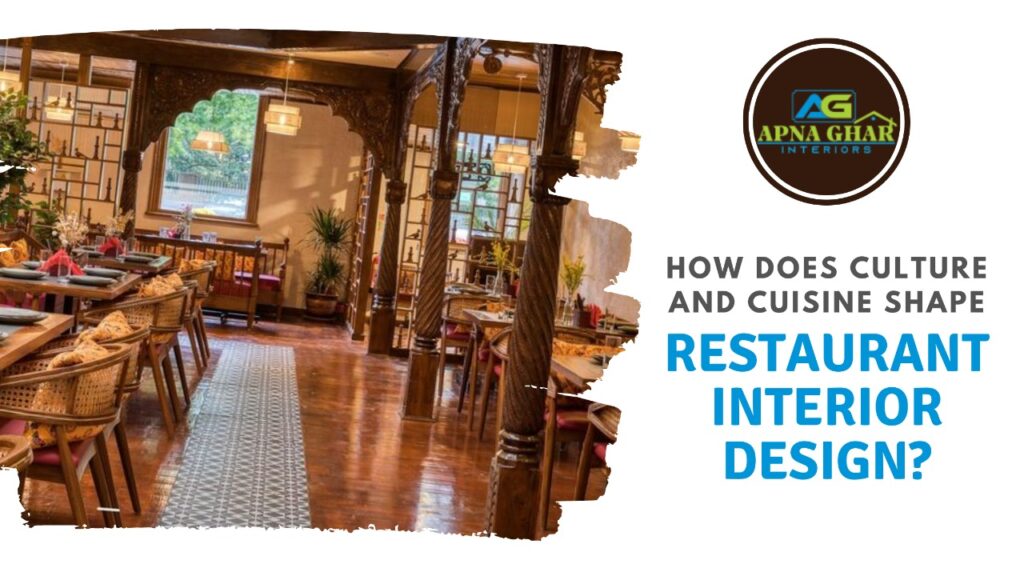
Restaurant interior design plays a powerful role in shaping how guests experience food. Long before the first dish arrives, the interiors communicate the story of culture, tradition, and culinary styles. From layout planning to decor details, every design choice reflects the cuisine being served. Businesses that collaborate with the best commercial interior designers gain spaces that connect emotionally with their customers while supporting smooth operations and a strong brand identity.
Cultural Identity Reflected Through Interior Themes
Culture forms the foundation of restaurant interiors. It influences colors, patterns, furniture styles, and spatial flow. A restaurant inspired by a specific region often mirrors traditional homes, historical architecture, or cultural gathering spaces. This connection helps guests feel familiar and comfortable while dining.
Key cultural influences seen in restaurant interiors include:
- Traditional motifs and wall art represent heritage
- Seating arrangements inspired by local dining customs
- Decorative elements such as murals, sculptures, or handcrafted items
- Lighting styles based on regional aesthetics and rituals
These details communicate authenticity and help restaurants stand out in a competitive market.
Cuisine-Driven Interior Planning and Layout
Cuisine shapes how space is used inside a restaurant. The type of food served determines kitchen placement, seating density, and service flow. Restaurants serving elaborate multi-course meals require calm, spacious layouts, while fast-casual eateries benefit from energetic, open seating plans.
Interior design decisions influenced by cuisine often include:
- Open kitchens for interactive dining experiences
- Bar counters for global or fusion menus
- Compact seating for quick-service food concepts
- Private dining areas for traditional family-style meals
Professionals from the best commercial interior designers understand how cuisine impacts movement, comfort, and guest interaction within a space.
Color Palettes Inspired by Food Traditions
Colors used in restaurant interiors are closely linked to cultural food habits. Warm colors like red, orange, and earthy tones are commonly used in cuisines that focus on spices and rich flavors. Neutral palettes with natural shades suit minimalist or health-focused menus.
Popular color influences include:
- Deep reds and golds for traditional Indian or Chinese cuisine
- Whites and wood tones for Japanese and Scandinavian dining
- Blue and white for coastal or Mediterranean restaurants
- Dark tones paired with metallic finishes for luxury dining spaces
Color choices influence appetite, mood, and overall dining perception, making them an essential design element.
Furniture and Seating Based On Dining Culture
Dining habits vary across cultures, and interiors adapt accordingly. Some cuisines encourage long meals and social interaction, while others support quick dining experiences. Furniture selection reflects these preferences and supports customer comfort.
Common seating styles influenced by culture include:
- Low seating or floor-style arrangements in traditional Asian dining
- Communal tables for shared food concepts
- Plush upholstered chairs for fine-dining environments
- Stools and benches of casual or street-food themes
Each seating style supports how guests interact with food and with one another.
Decorative Elements That Tell a Culinary Story
Decor plays a strong role in linking culture and cuisine to interiors. Wall textures, ceiling designs, and accessories communicate the restaurant’s identity while keeping the space visually balanced. Cultural decor choices often act as visual cues that reinforce menu offerings.
Examples of decor storytelling include:
- Hand-painted tiles reflect regional craftsmanship
- Cultural artwork or photography related to food history
- Traditional utensils used as design accents
- Ceiling treatments inspired by local architecture
These details make the dining environment memorable and visually engaging.
Lighting Styles Influenced by Cultural Preferences
Lighting defines the atmosphere and supports the dining experience. Cultural preferences influence whether the lighting feels intimate, vibrant, or ceremonial. Restaurants serving comfort food often use warm lighting, while modern global cuisines may feature focused or dramatic lighting setups.
Lighting decisions influenced by culture and cuisine include:
- Soft ambient lighting for relaxed dining
- Pendant lights above tables for focused meals
- Lantern-style fixtures for traditional themes
- Statement lighting for modern or luxury interiors
Proper lighting supports food presentation and guest comfort.
Why Professional Design Expertise Matters?
Creating restaurant interiors that reflect culture and cuisine requires planning, creativity, and technical knowledge. The best commercial interior designers bring experience in balancing aesthetics, functionality, and brand consistency. Their approach helps restaurants build spaces that attract customers, support staff efficiency, and reflect culinary values clearly.
Conclusion
Culture and cuisine play a defining role in restaurant interior design. From layout and materials to colors and decor, each element contributes to a cohesive dining experience. Restaurants that align their interiors with food traditions create stronger emotional connections with guests. Partnering with the best commercial interior designers helps transform these ideas into thoughtfully designed spaces that support long-term success, customer satisfaction, and a distinctive brand presence.