
Introduction
A practical kitchen plays a key role in everyday life, especially in homes where cooking is frequent and diverse. Many homeowners are now looking for smart layouts and functional features that simplify daily tasks, and this is where modular kitchen designs make a noticeable difference. These designs focus on organized storage, easy accessibility, and long-lasting materials that suit typical Indian cooking styles. Whether the space is compact or spacious, the right planning helps create a kitchen that stays efficient, clean, and comfortable for years.
Understanding the Basics of a Modular Indian Kitchen
Modular kitchens are built using separate units, or modules, designed to maximize convenience. The purpose of each module is to serve a specific purpose, such as storage, cooking, washing, or preparation. Unlike a traditional setup, this format promotes flexibility and smart arrangements.
A well-structured modular kitchen keeps essential items easy to reach and reduces clutter. The main goal is to maintain smooth movement between major work areas while maintaining a clean and organized environment. For families that cook multiple meals a day, this structured approach brings consistency and comfort.
Smart Layout Choices for a Practical Indian Modular Kitchen
Every kitchen begins with its layout, and the right one instantly improves its functionality. Regardless of size, choosing a layout that supports your cooking habits is important.
- Straight Layout: A single-wall layout works perfectly in narrow rooms. Everything stays aligned, making the kitchen easy to navigate without unnecessary movement.
- L-Shaped Layout : This layout gives two interconnected counters that enhance efficiency. The corner space is ideal for extra storage, making it suitable for medium-sized homes.
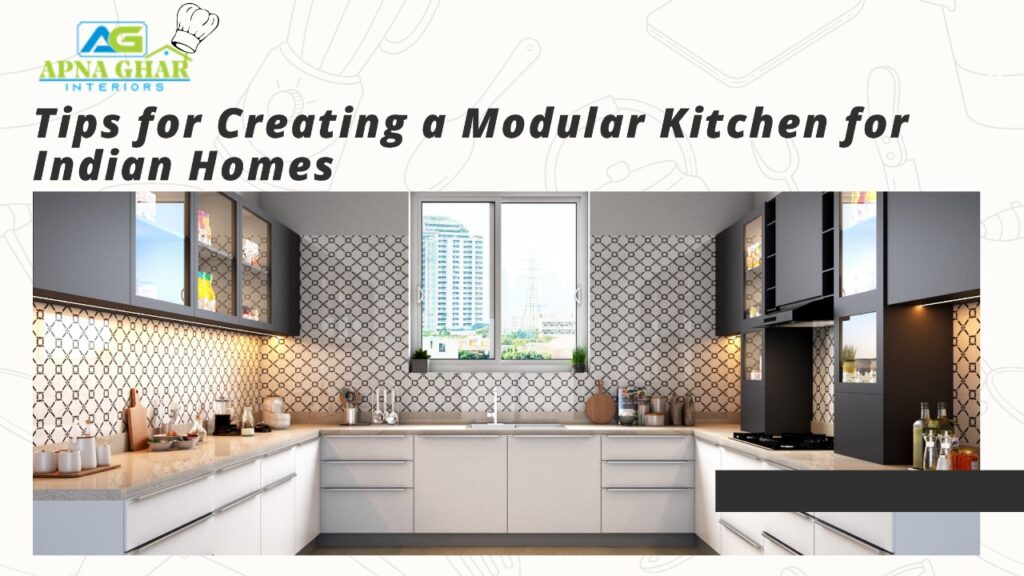
- U-Shaped Layout : Three connected counters provide the most working area. It offers maximum storage and suits families that prepare large meals regularly.
- Parallel Layout : Two counters on opposite walls create a streamlined workflow. Tasks like chopping, washing, and cooking become faster and more organized.
A layout should help maintain a smooth work triangle between the stove, sink, and refrigerator. The better the flow, the easier it becomes to complete daily tasks without stress.
Material Selection for Indian Cooking Needs
Indian kitchens deal with heat, moisture, oil, and frequent cleaning. Choosing materials that can withstand all this becomes essential. Durable materials make maintenance easier and increase the lifespan of the kitchen.
- Countertops : Granite and quartz are strong and resistant to heat and stain. These surfaces can handle vigorous cooking activities with ease.
- Cabinet Materials : Plywood with a laminate finish is a popular choice for cabinets due to its strength and resistance to moisture. PVC is another alternative for those looking for low-maintenance options.
- Backsplash Tiles : Ceramic and glossy tiles are easy to clean. They prevent stains from sticking, especially in areas behind the stove.
- Sink and Tap : A stainless-steel sink paired with a simple single lever tap provides durability and ease of daily use. This is also a section wheremodular kitchen designsplay a vital role, as they allow homeowners to pick combinations that match both budget and style preferences.
Storage and Organization Tips for Your Daily Convenience
A clutter-free kitchen improves efficiency. Smart storage allows utensils, groceries, and cookware to remain accessible without occupying too much space.
- Cabinets and Drawers : Deep drawers are ideal for storing pots and pans, while overhead cabinets keep frequently used items nearby. Glass shutters or open shelves make the space look airy.
- Corner Units :Corner areas often go unused. Installing rotating shelves or pull-out trays makes sure every inch is utilized.
- Tall Units : These units help store groceries and bulk items neatly, making them excellent additions for families that buy supplies in advance.
- Small Accessories :Hooks, magnetic knife strips, spice racks, and tray organizers keep everything in place. These tiny additions bring big improvements.
Aesthetics and Finishing Touches
Even a highly functional kitchen benefits from visual appeal. Soft, calming colours like beige, cream, pale grey, or light brown make the room feel open and bright. Matte finishes add elegance, while glossy surfaces reflect light and make small spaces appear larger. Added plants, simple wall art, or warm lighting can create a welcoming atmosphere. Small decorative touches influence the overall mood without compromising on practicality. This section can also naturally include modular kitchen designs, as these designs offer flexibility in colours, finishes, textures, and overall appearance.
Conclusion
Creating a modular kitchen for Indian homes becomes simple with the right planning, materials, and layout choices. A well-designed space supports daily cooking, keeps everything organized, and maintains a clean look throughout the day. Any home can achieve a balanced mix of style and functionality with carefully chosen modular kitchen designs. For anyone planning a new kitchen or upgrading an existing one, now is the perfect time to explore ideas and begin designing a space that brings comfort and convenience to everyday life.